A good strategy is not yet a good campaign. Even so, agencies often put more effort into concepts and presentations than into the question of how the ideas can actually be implemented later. Yet this is exactly where it is decided whether a convincing media strategy turns into a successful campaign.
I have been working in project management for around 20 years. My career ranges from software development and international technology projects to start-ups in Germany and Switzerland and large-scale media campaigns. Along the way, I have also led international development teams in Europe. Today, as Managing Partner at True Effect, my focus is on operations & delivery. What I have learned from all this: good ideas alone are not enough. You need the right people, clear responsibilities and, above all, efficient processes.
Why can traditional agency structures become a problem?
In many agencies, strategy, client service and operational execution are spread across different departments and levels of hierarchy. Some develop the concept, others present it to the client, and others again implement it.
That doesn’t necessarily have to work badly. But every additional interface carries the risk that information gets lost, decisions take longer or responsibilities become unclear. Especially in complex media projects involving numerous partners, this can quickly become a problem.
After all, what use is the best strategy if complicated processes slow down its execution?
Does good consulting need many levels of hierarchy?
At True Effect, we deliberately take a different approach: a small core team, short decision paths and a network of specialised partners. Instead of complex coordination processes, we rely on clear responsibilities and direct collaboration. This keeps us flexible and lets us react quickly, even on demanding projects.
Who actually looks after the client after the pitch?
Besides efficient structures, there is one point that, for many clients, is among the biggest sources of dissatisfaction with their agency: contacts who are too young, too inexperienced and keep changing. In my experience, it goes like this in many agencies: the top people present at the pitch, and the client is convinced. Then the pitch team moves on to the next client, and day-to-day business is taken over by juniors, working students or entirely different teams. The client doesn’t get the A team, but rather team D, E or F. On top of that, contacts change frequently. With every change, knowledge is lost, and new people first have to get to grips with the projects again.
At True Effect, it’s different. The people you meet at the pitch are the people you work with later. We advise as equals, with decades of experience, and put together the right specialists for every project. With us, a client’s managing director can even call at the weekend. We always keep an eye on them and their projects and make short-term decisions together when it matters.
Do you know who at your agency is actually working on your projects?
How do efficient processes prove themselves in practice?
But experience alone is no recipe for success. What matters is that the right skills come together, responsibilities are clearly defined and the workflows are right.
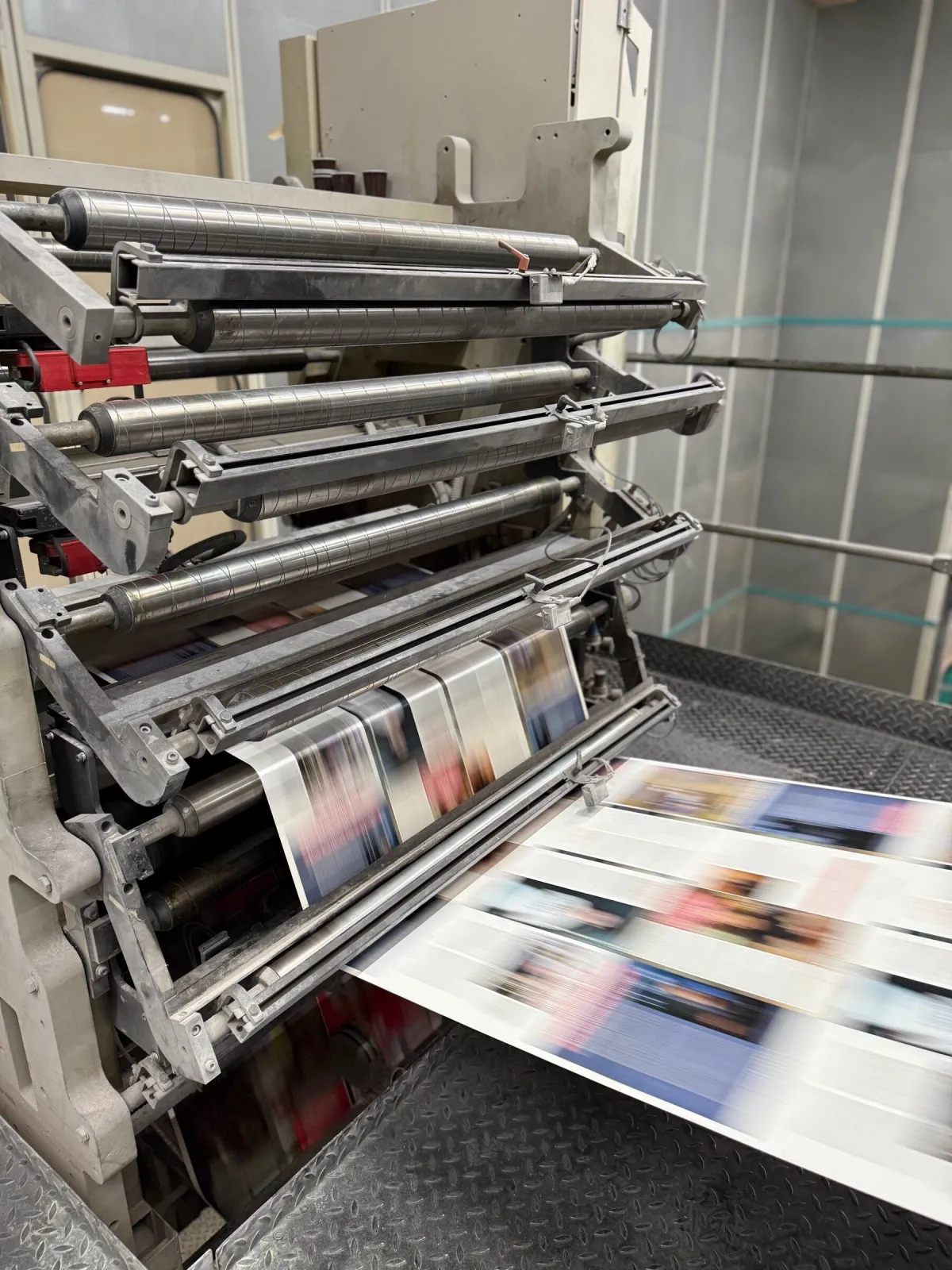
How demanding execution can be is shown by a print project for a client from the software sector: a specially developed publication that appears as an insert in Germany’s highest-circulation magazines. The key figures: a total print run of twelve million copies across all issues, around 500 tonnes of paper, several publishers. Behind these numbers lies a long chain of steps that have to mesh precisely. The paper has to be procured in this quantity on time, the printing capacity has to be planned, and printers, logistics providers and publishers have to be coordinated – until every single copy is on the newsstand, ready for the buyer. If something goes wrong at one point, it affects the entire chain.
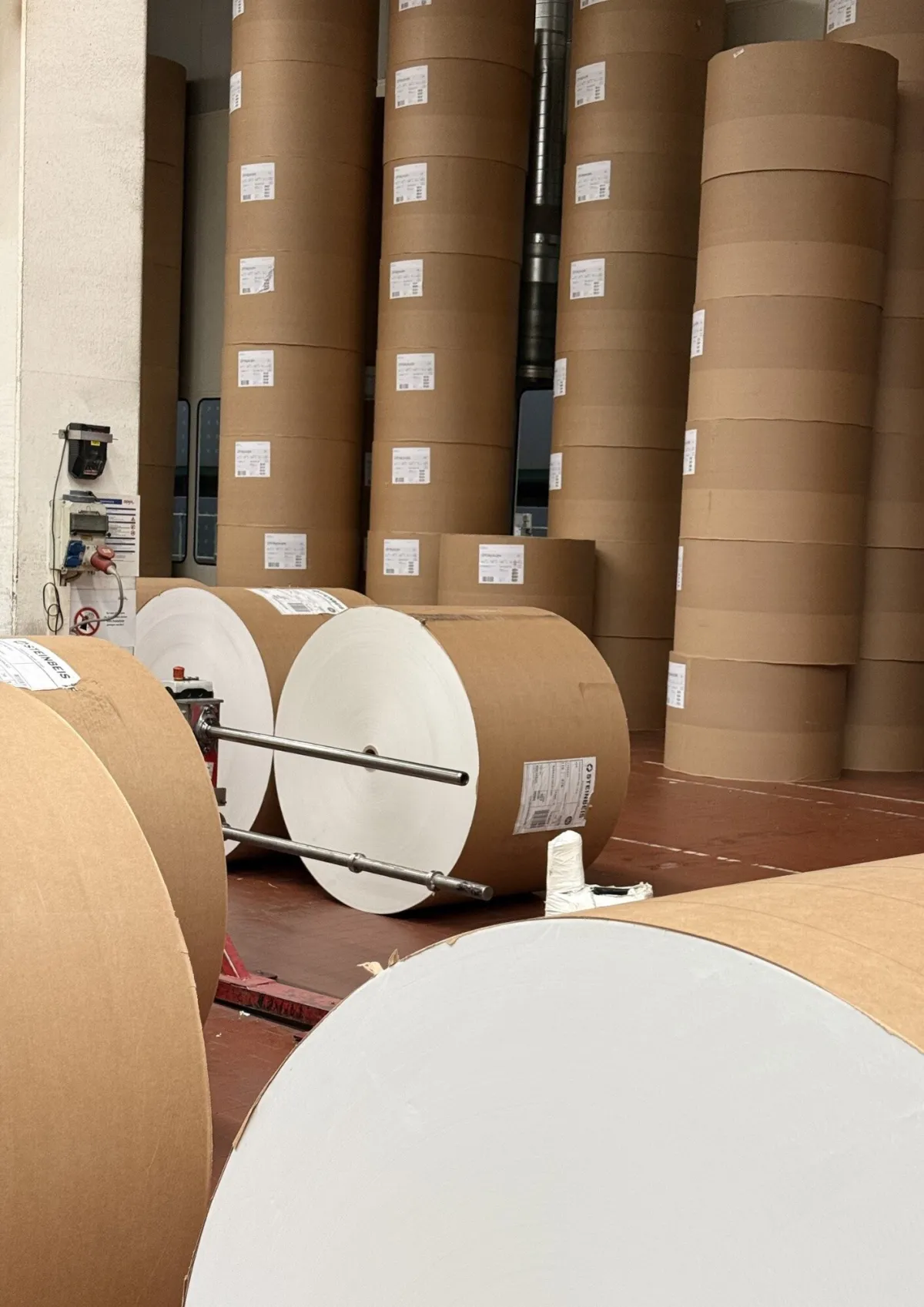
That a project of this size can be carried out successfully is the result of well-established processes and a team of specialists who coordinate the different requirements and bring everyone involved together.
Projects like this don’t necessarily need large in-house departments. They need people with experience, clear responsibilities and an eye for the big picture.
What makes good operations management?
For me, operations is therefore more than classic project management. It’s about creating structures in which specialists work together efficiently, decisions are made quickly and everyone knows their responsibility. The goal is not as many processes as possible, but the right ones.
When choosing an agency, companies should therefore not only look at creative concepts and references. At least as important is the question of who actually works on their projects, who makes the decisions and how efficiently execution is organised.
Because good media strategies don’t need complicated structures. They need people who take responsibility and make sure ideas turn into results. In the end, what counts is this: Good processes are invisible. Their results are not.
FAQ
- What does operations mean in a media agency?
- What is a media strategy?
- What is meant by project management?
- What are efficient processes in a media agency?
About the author: Daniel Kunkel is Managing Partner at True Effect, the Hamburg agency for media, operations and creative.