Served isn’t seen. And seen isn’t remembered. This idea has long been part of my attitude and my understanding of media – and it’s exactly what the industry likes to forget in its reporting. There, what counts are impressions, reach and the price per thousand contacts. How many people actually took in a message is rarely in there.
Why doesn’t reach guarantee advertising effectiveness?
Impressions and reach measure whether and how often an ad was served – not whether anyone looked at it. Based on eye tracking, the attention research company Lumen concludes that around 70 percent of digital ads are not looked at at all (ExchangeWire, 2025).
So an ad contact is at first nothing more than an opportunity. Whether it turns into attention depends on three questions: Where does the ad appear? What situation is the person in right now? And does the message fit exactly this moment? How well these three questions can work together is shown by a format that is getting a lot of attention right now: pause ads.
What are pause ads?
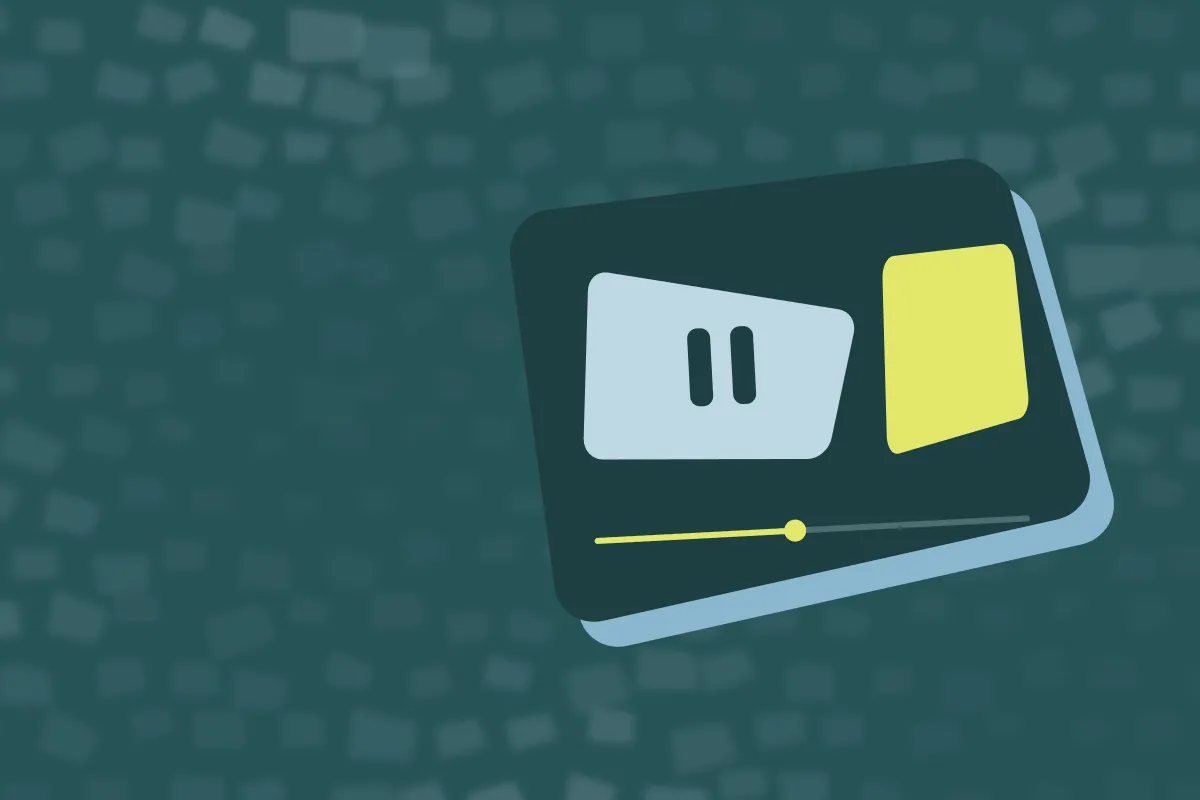
Pause ads are ad formats on streaming platforms that appear when viewers pause playback themselves. The picture shrinks, and the advertising message appears next to it. Netflix uses the format in its ad-supported plan, which according to the company has more than 250 million monthly active viewers worldwide, and is expanding it programmatically in 2026 (Señal News, May 2026).
The crucial point: it’s not the ad that interrupts, it’s the viewer. The brand doesn’t force its way into the series, it uses a break that happens anyway. For me as a creative, that’s a gift. A snack brand, for example, can pick up on exactly this moment: pause, hunger, a quick trip to the cupboard. The ad then becomes part of the situation instead of a disruption.
Which other moments work well for advertising?
Similar windows open up wherever people are waiting for something and their eyes rest on a screen that shows nothing else. In the digital context, WeTransfer is a very good example – one of many high-quality environments we recommend to our clients when they fit the task: while large files upload or download, an advertising message fills the screen. Nobody has to scroll, no second ad competes. The brand has the stage to itself.
These are just two examples from our repertoire, but they show the same principle: a single contact at the right moment can achieve more than ten contacts at the wrong one.
What does this mean for media planning?
Reach remains the prerequisite, but it isn’t the goal. Anyone who wants to plan advertising effectiveness should also ask three questions:
- How high-quality is the environment, and how many other messages compete there?
- How receptive is the target group in this situation?
- Is the creative made for exactly this moment, or just cut to fit the format?
The third question is the one most often missing. That’s what the next article in this series is about: why good advertising in the right environments doesn’t have to be loud.
FAQ
- What are pause ads?
- What does attention mean in advertising?
- What are impressions?
- What is reach?
- What is meant by advertising effectiveness?
- What is eye tracking?
About the author: Daniel Richau is Managing Director Creative Services // Partner at True Effect, the Hamburg agency for media, operations and creative.